Examples#
This section documents reference examples distributed with Z3ST.
Each example corresponds to a fully reproducible simulation located in the
z3st/examples directory of the repository.
Thin slab#
This example considers a thin slab subjected to a prescribed temperature on a region, and an adiabatic condition on another region. The case is used as a thermo-mechanical verification benchmark, comparing Z3ST results against a analytical reference solutions.
Direct links to the documented examples:
Geometry and loading#
Slab thickness: L_x
In-plane dimensions: L_y \times L_z
The material is linear elastic and isotropic. Small-strain thermo-elasticity is assumed.
Mesh#
The domain is discretized with a finite element mesh.
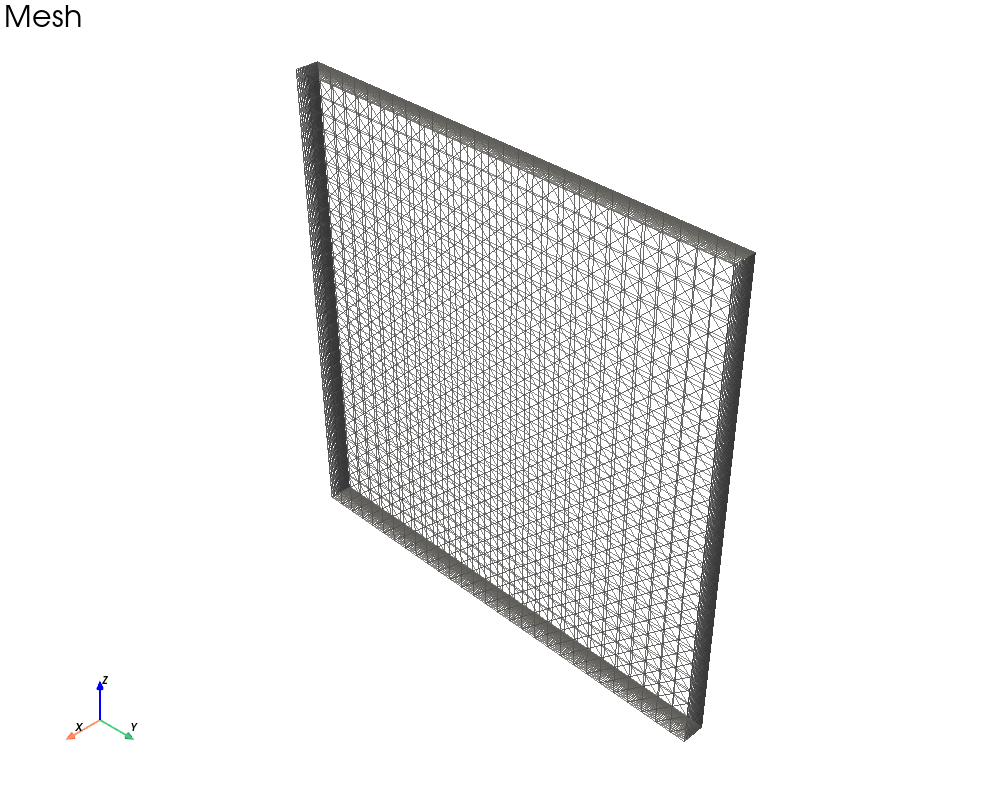
Fig. 1 Finite element mesh of the thin slab.#
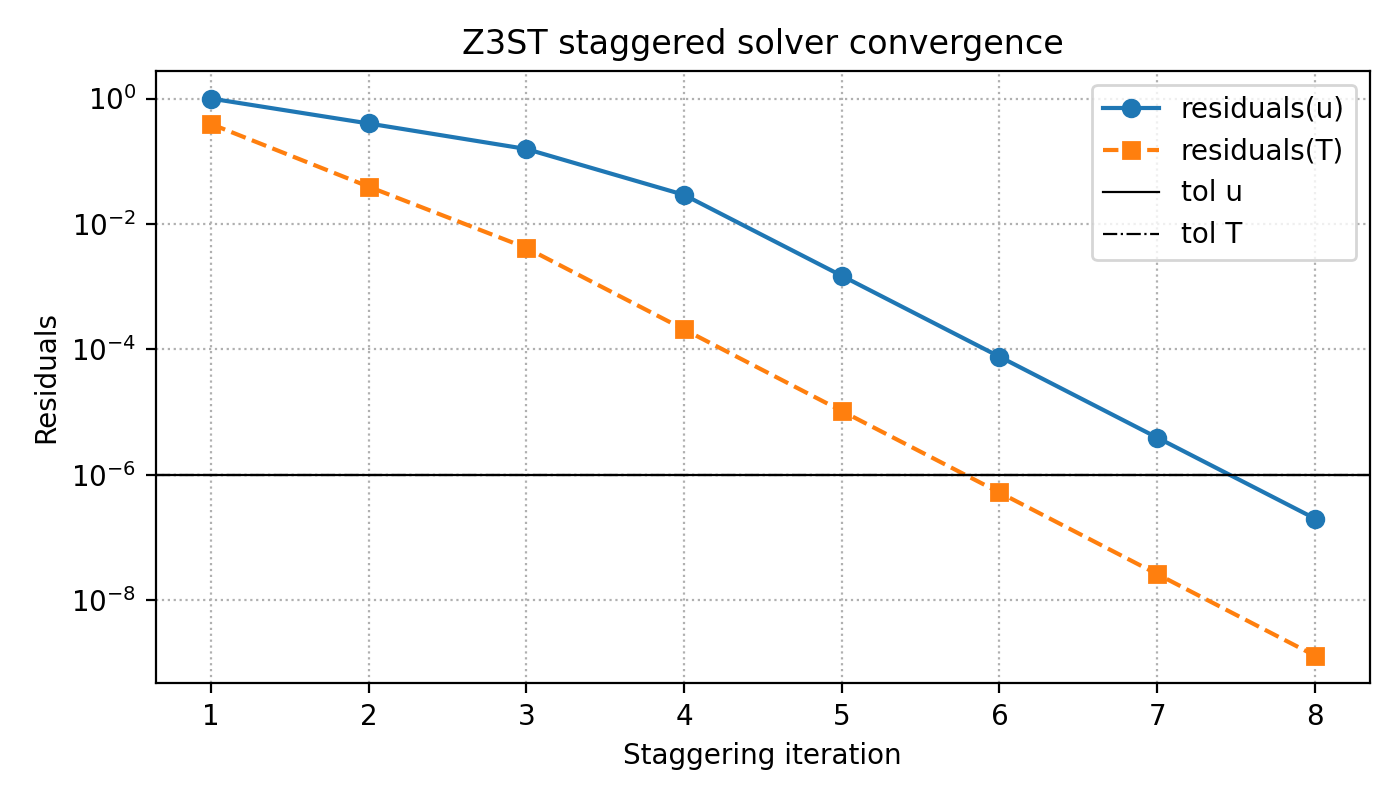
Fig. 2 Convergence of the solution during the simulation.#
Results#
Temperature field:
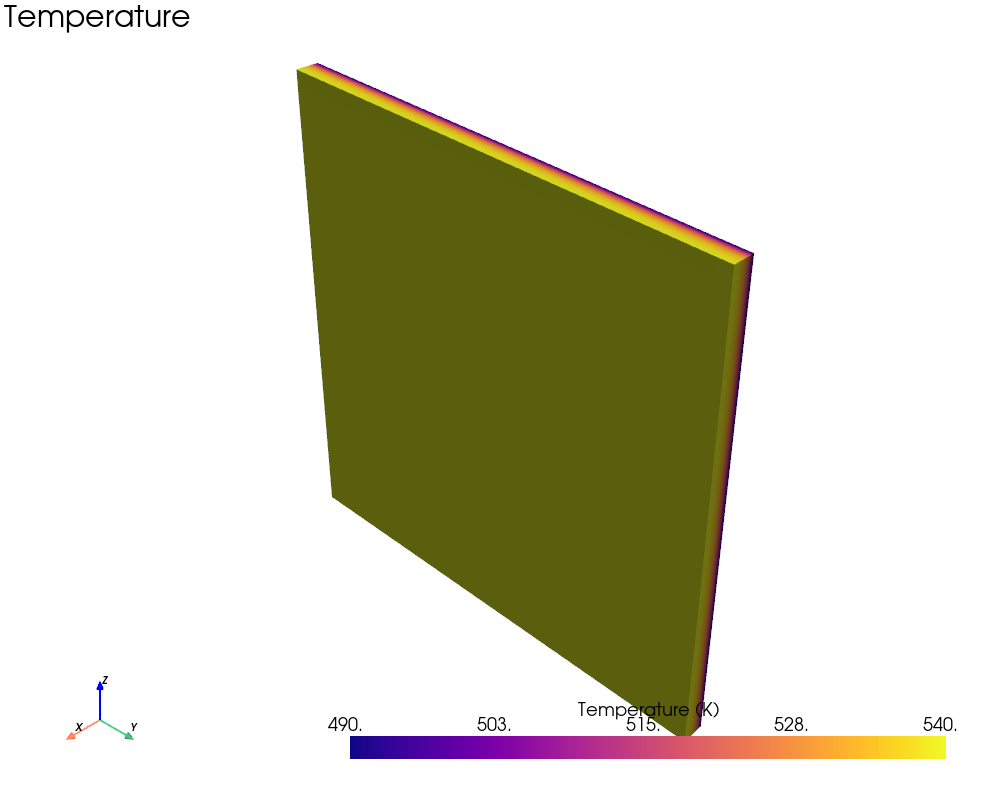
Fig. 3 Temperature distribution with mesh overlay.#
Displacement field:
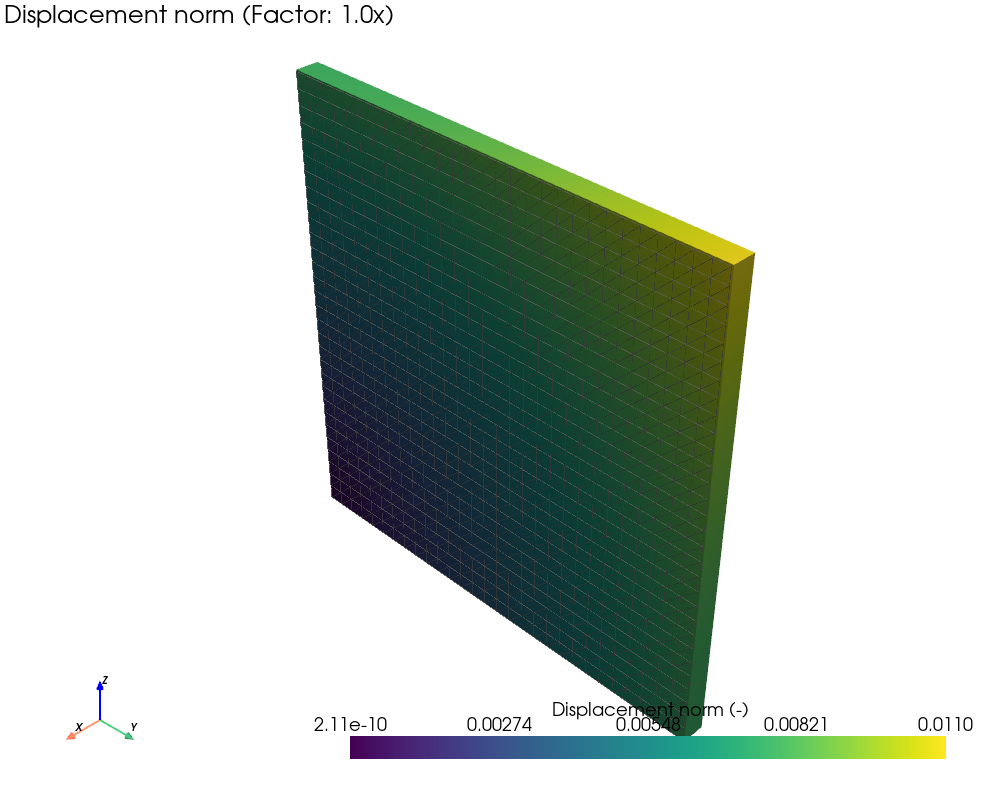
Fig. 4 Displacement norm with mesh overlay.#
Cylindrical shell under pressure#
This example shows a thick-walled cylindrical shell subjected to internal pressure. The case is used as a verification benchmark, comparing Z3ST results against the analytical Lamé solution.
Direct links to the documented examples:
Geometry and loading#
Inner radius: R_i
Outer radius: R_o
Length: L_z
Internal pressure: P_i
The material is assumed to be linear elastic and isotropic. Plane-strain conditions are enforced along the axial direction (:math: varepsilon_z=0)
Mesh#
The mesh is axisymmetric and extruded along the axial direction.
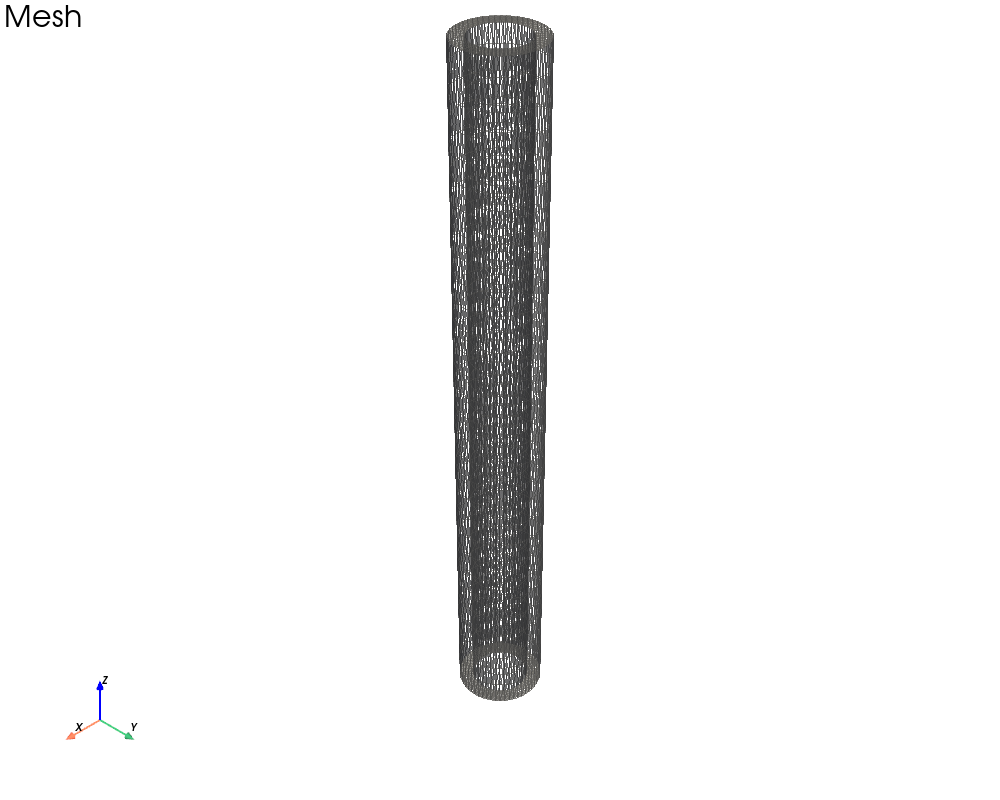
Fig. 5 Finite element mesh of the cylindrical shell.#
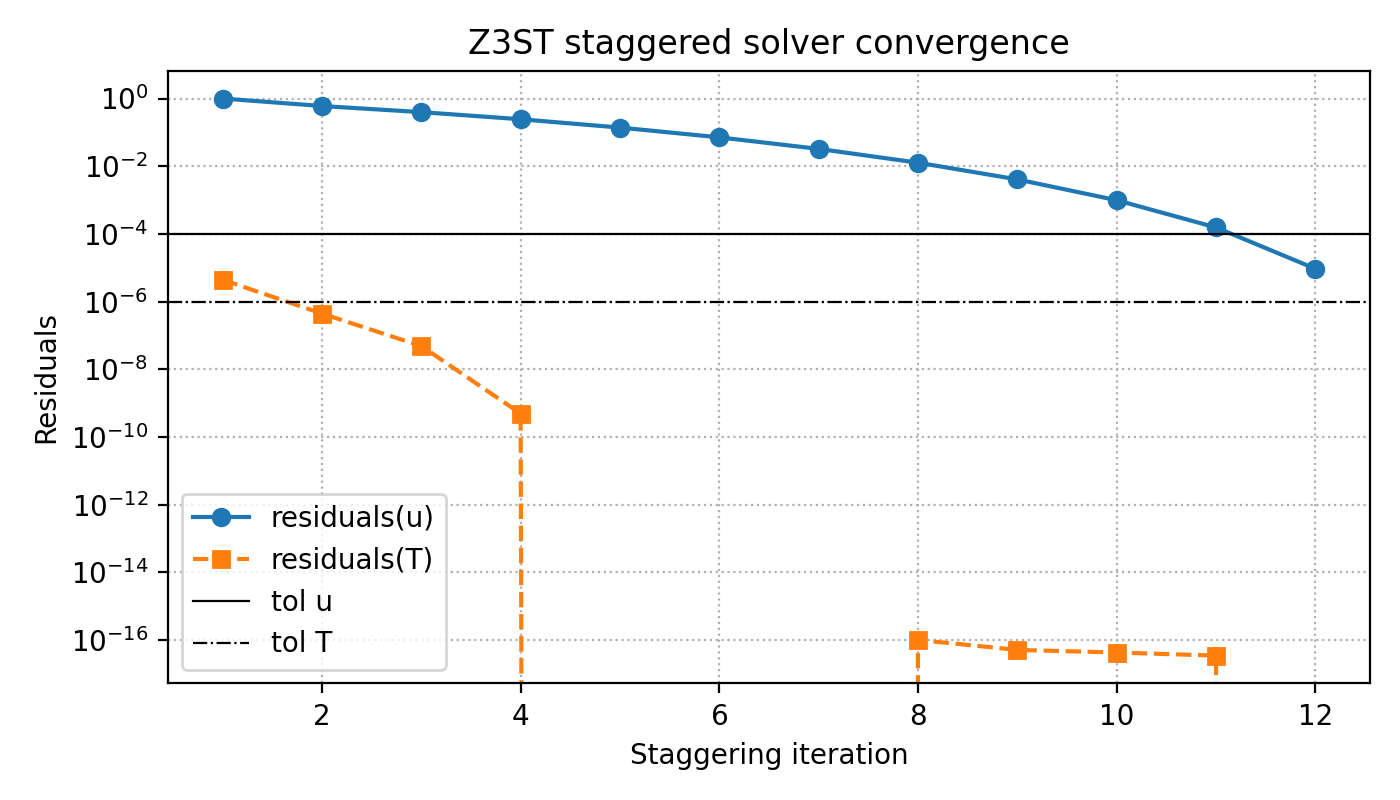
Fig. 6 Convergence of the solution during the simulation.#
Results#
The following figures compare numerical and analytical results along the radial direction at a fixed axial coordinate.
Displacement field:
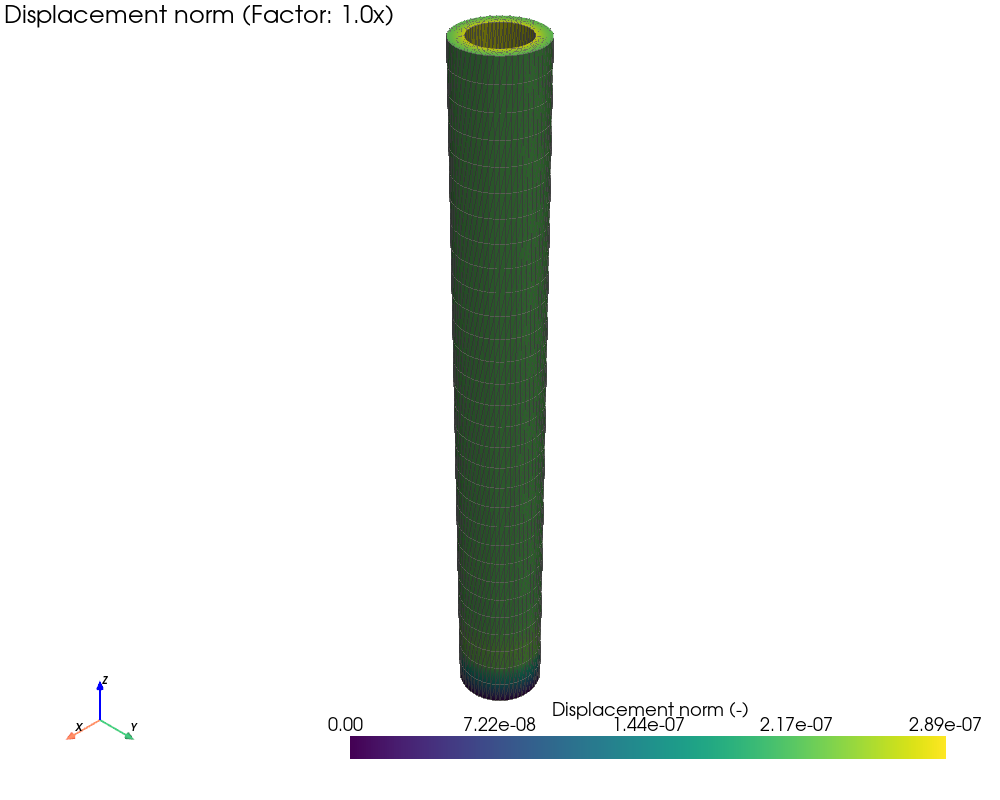
Fig. 7 Radial displacement norm with mesh overlay.#
Stress components:
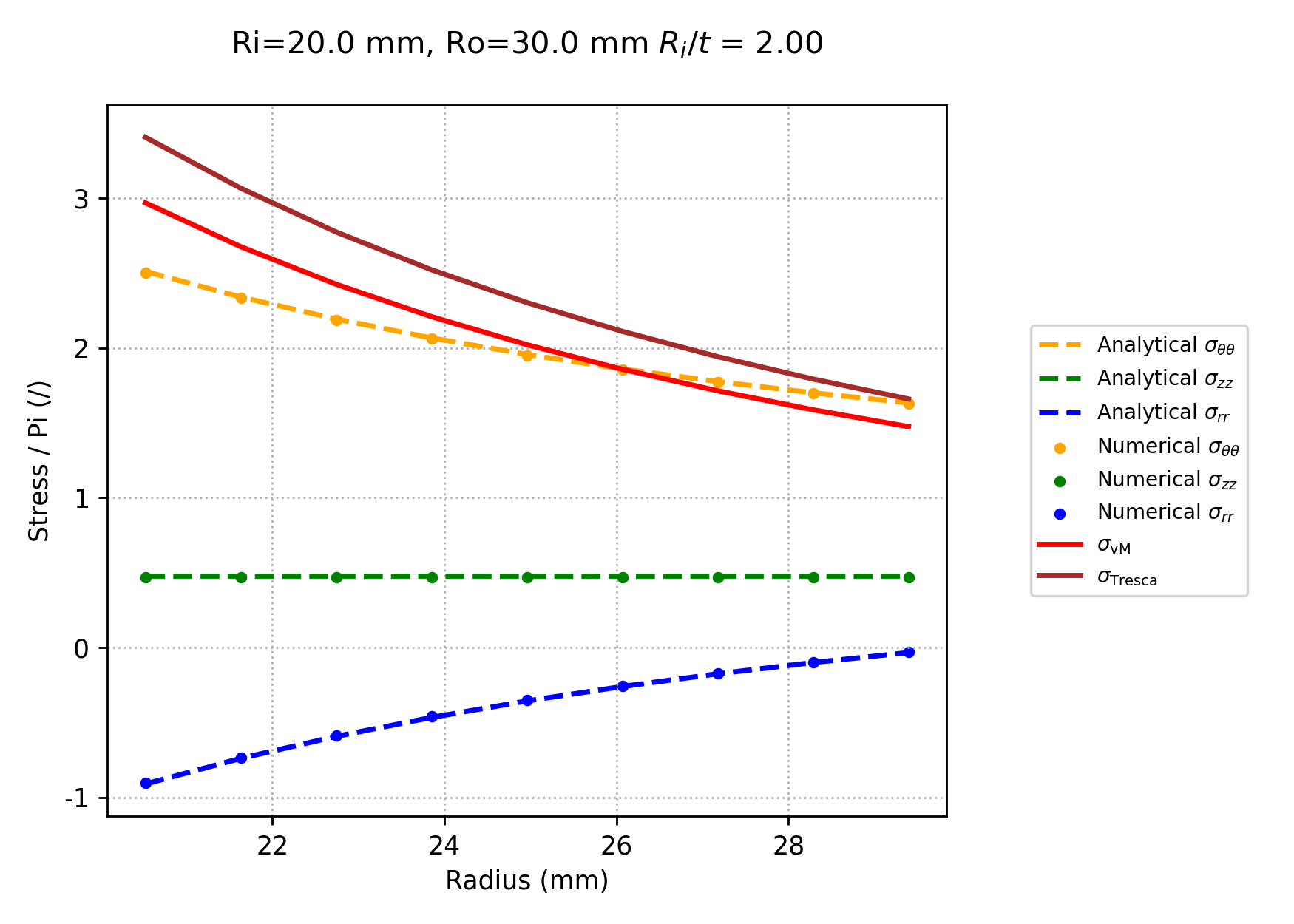
Fig. 8 Radial, hoop and axial stresses compared with the Lamé solution.#
Strain components:
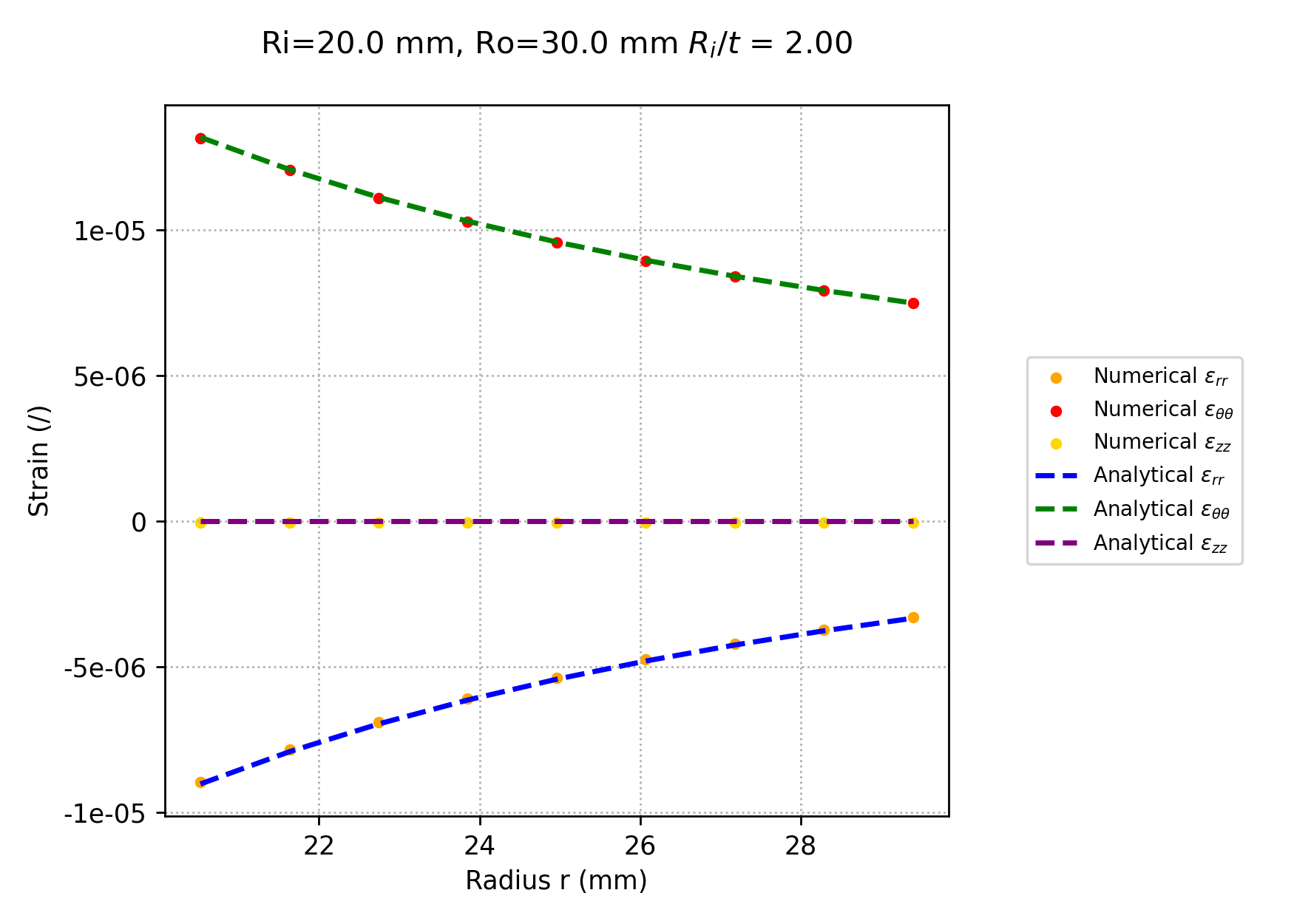
Fig. 9 Radial, hoop and axial strains compared with the analytical reference.#
Temperature field:
For thermo-mechanical runs, a temperature field can be prescribed and coupled to the mechanical problem.
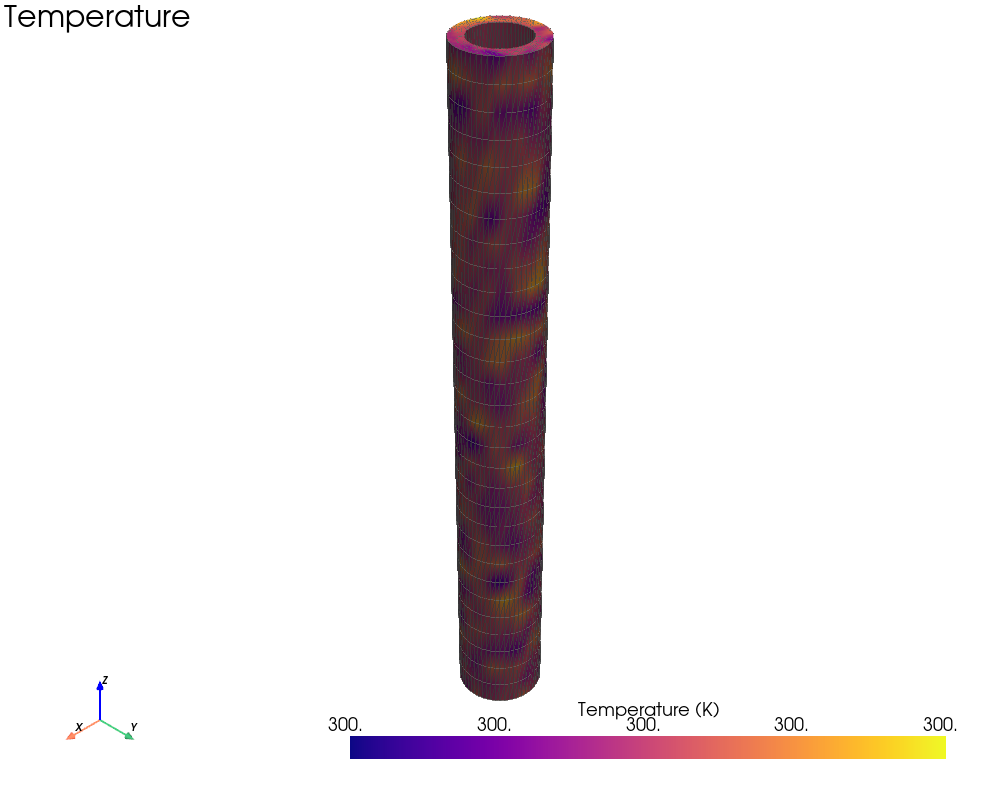
Fig. 10 Temperature distribution with mesh overlay.#
Cluster dynamics in solids#
This example demonstrates the simulation of cluster evolution using the Cluster dynamics module. It solves the advection-diffusion equation in the cluster size space, ensuring mass conservation and modeling the evolution of clusters.
Direct links to the example:
Phase-field fracture in solids#
This example shows the simulation of crack propagation using the Phase-field fracture (Damage) module. It enables the study of complex fracture patterns, including crack initiation, propagation, branching, and merging, by solving an additional evolution equation for a scalar damage field.
Direct links to the examples:
The formulation supports both AT1 and AT2 models, with spectral or volumetric-deviatoric splits for the crack driving force.